
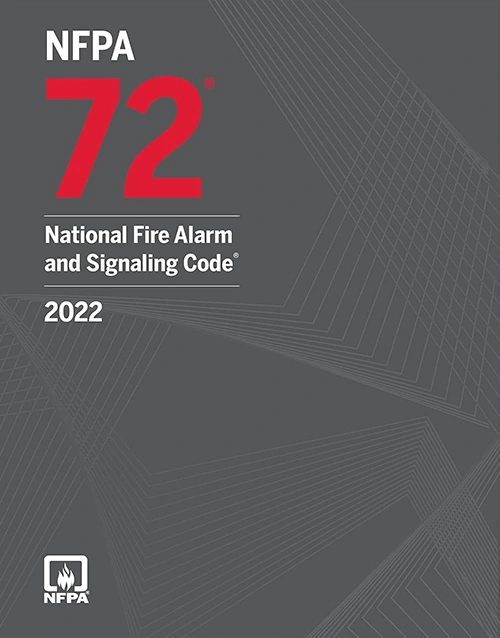
NFPA 72 National Fire Alarm and Signaling Code
Inside buildings where safety matters most, a guide known as NFPA 72 shapes how alarms respond during fires. Though some call it the National Fire Alarm and Signaling Code, its role stays practical – defining what must happen when systems go in, operate, or get checked later. From start to finish, performance follows clear rules so alerts reach everyone who needs them. When danger appears, timing depends on setups that meet these requirements. Not every detail shouts importance, yet each piece supports faster warnings.
Every part of the process fits under one roof – design, testing, verification – all laid out clearly. Professionals like architects, engineers, fire marshals, and safety staff rely on it when making buildings safer while meeting regulations. Staying current with updates means people stay safe, damage stays low.
Fires move fast. NFPA 72 from 2022 lays out clear steps for checking alarms so buildings stay ready when seconds count. This version guides how wiring gets tested, making sure safety systems work right.
Protection means more than just gear – it involves regular checks done a certain way. Equipment lasts longer when handled by people who follow updated rules. Workers benefit because warnings come early if danger shows up. Signals must be loud enough to hear across large spaces. Since fires ignore schedules, alerts need constant readiness. Rules like these help avoid breakdowns before they happen.
Keeping things running safely inside big homes, businesses, schools, and factories means checking electrical gear regularly. That kind of care shows up in a rule book called NFPA 70B. This guide spells out how to look after electronics, power tools, and signal devices before problems happen. Instead of waiting for something to fail, fixes come early. The idea behind it lives in routine checks across many kinds of places where people live or work together.
Reviews
There are no reviews yet.