
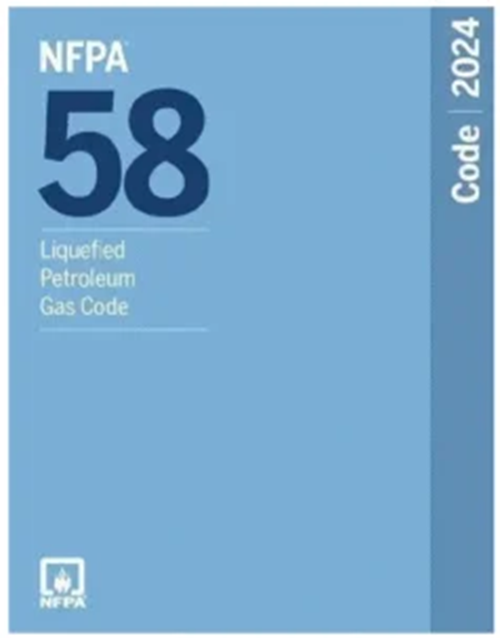
NFPA 58 Liquefied Petroleum Gas Code 2024 Edition
Safety rules for propane use in buildings come from NFPA 58. This version, fresh in 2024, adjusts guidelines so engineers, inspectors, underwriters, and safety staff can handle newer dangers better. Since mobile kitchens run on fuel too, a brand-new Section 16 shows how to fit tanks and lines properly onto dining carts.
Pipes get more attention now, along with appliance setups and where to place cylinders. Laying tanks flat? Rules changed – they depend on weight and what’s holding them steady. Clarity improves around anchoring methods and space needs near structures.
Instead of just listing steps, it explains why spacing matters based on container type. Old gaps in wording are gone, replaced by exact terms that reduce confusion during checks. Because outdoor operations grow, temporary installations also receive updated notes. Even venting details shift slightly, matching real-world fixes seen after past incidents.
Alongside food trucks, small dispensers at farms or markets follow tighter advice now. Design flaws once overlooked now have clear warnings baked into layout guidance. With more places using portable gas units, misunderstandings cost less when reading these pages. Still centered on fire prevention, the tone stays firm but avoids guesswork.
No longer vague, support requirements reflect actual loads and ground conditions together. After storms or heavy use, inspection points make maintenance easier to track down the road. Rather than broad suggestions, precise distances guide placement near doors or vents. Fuel system upgrades must match these tweaks if they want approval today.
Though focused on hardware, human error paths shrink through smarter layouts. As city zones blend work and living spaces, separation rules evolve quietly within sections. Not every change shouts; some refine footnotes others skip while planning. By spreading practical examples across chapters, misreading drops without extra training.
Out here, a fresh part shows up in the operations and maintenance segment – walks through how to safely empty LP-Gas setups when shutting them down or restarting. Nowhere else makes it clearer: if you’re using tanks, piping, or gear tied to producing things such as biofuels or mixed fuels, NFPA 58 applies – but only to the hardware, not what happens during production itself. From another angle, rules about remote emergency shutoff tools got pulled into Chapter 4, lining them up under one consistent set of expectations across every case where they matter.
Reviews
There are no reviews yet.