
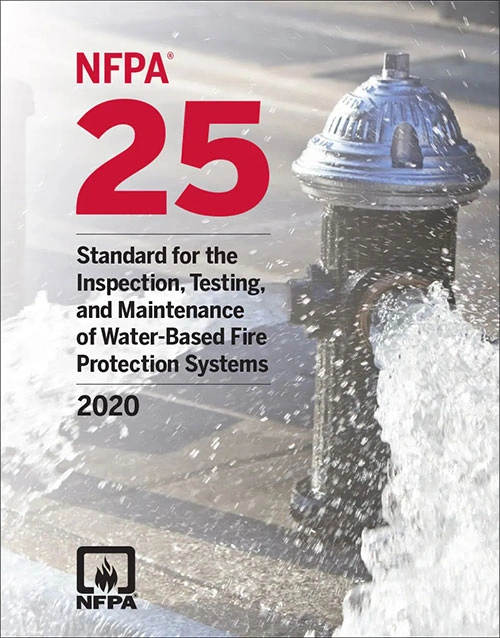
NFPA 25: Standard for the Inspection
When it comes to water-based fire protection systems, staying on top of maintenance matters most. The NFPA 25 – 2020 Edition helps make that happen through clear direction. Developed by the National Fire Protection Association, it outlines what must be done to inspect, test, and care for critical components.
These include sprinklers, standpipes, fire pumps, and water storage tanks. Instead of guesswork, professionals rely on its requirements across various structures – offices, homes, factories alike. Because fires wait for no one, preparation becomes part of daily responsibility. Following this edition means knowing systems are ready when needed.
Out of nowhere, updates in tech and fire research shaped what changed by 2020. Though subtle, each tweak followed real shifts in how risks are understood. Where older steps once stood, fresh methods now take their place. Because knowledge moves forward, so did the approach behind the scenes. With time came adjustments nobody saw coming. Since findings evolved, actions had to match. Not everything was swapped – just enough to matter.
When things go wrong, having clear directions matters. People who run buildings, handle maintenance, check safety gear, or inspect equipment can stay ahead by knowing what to do next. Sticking to NFPA 25 rules over time keeps alarms and sprinklers working right when flames appear. Lives get saved because of it. Big repair bills slip away.
Starting fresh or already deep in the work, this guide walks step by step through what it takes to hit each mark without extra fuss. Moving smoothly between tasks keeps everything running like clockwork.
Besides meeting insurance rules, following NFPA 25 meets legal standards – proof of serious commitment to fire protection. Yet staying compliant isn’t just about forms and checklists; it reflects real attention to risk. Even small lapses can undermine that effort, opening doors to penalties. Only consistent adherence keeps defenses solid while signaling responsibility loud and clear. Though some see inspections as routine, they actually reveal how seriously safety is taken when no one’s watching.

Reviews
There are no reviews yet.